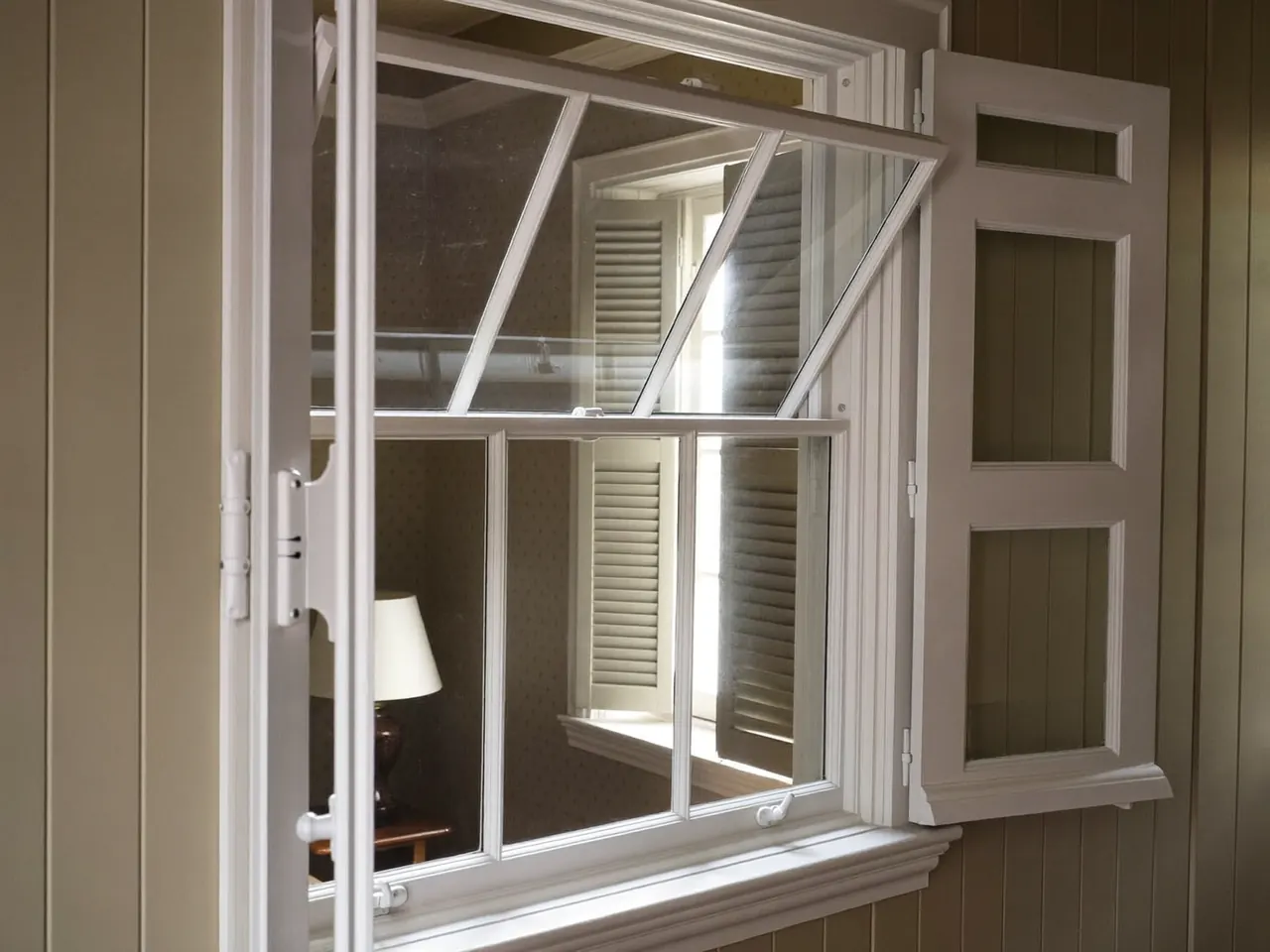
Window energy ratings, A++ to E
The Window Energy Rating (WER) is the coloured A-to-E label that lets you compare how efficient one window is against another without wading through technical data. It works like the energy labels on appliances: green and near the top is good, red and near the bottom is poor. For windows the scale runs from A++ at the best down to E, and it describes the whole window — glass, frame and all — not just the glass.
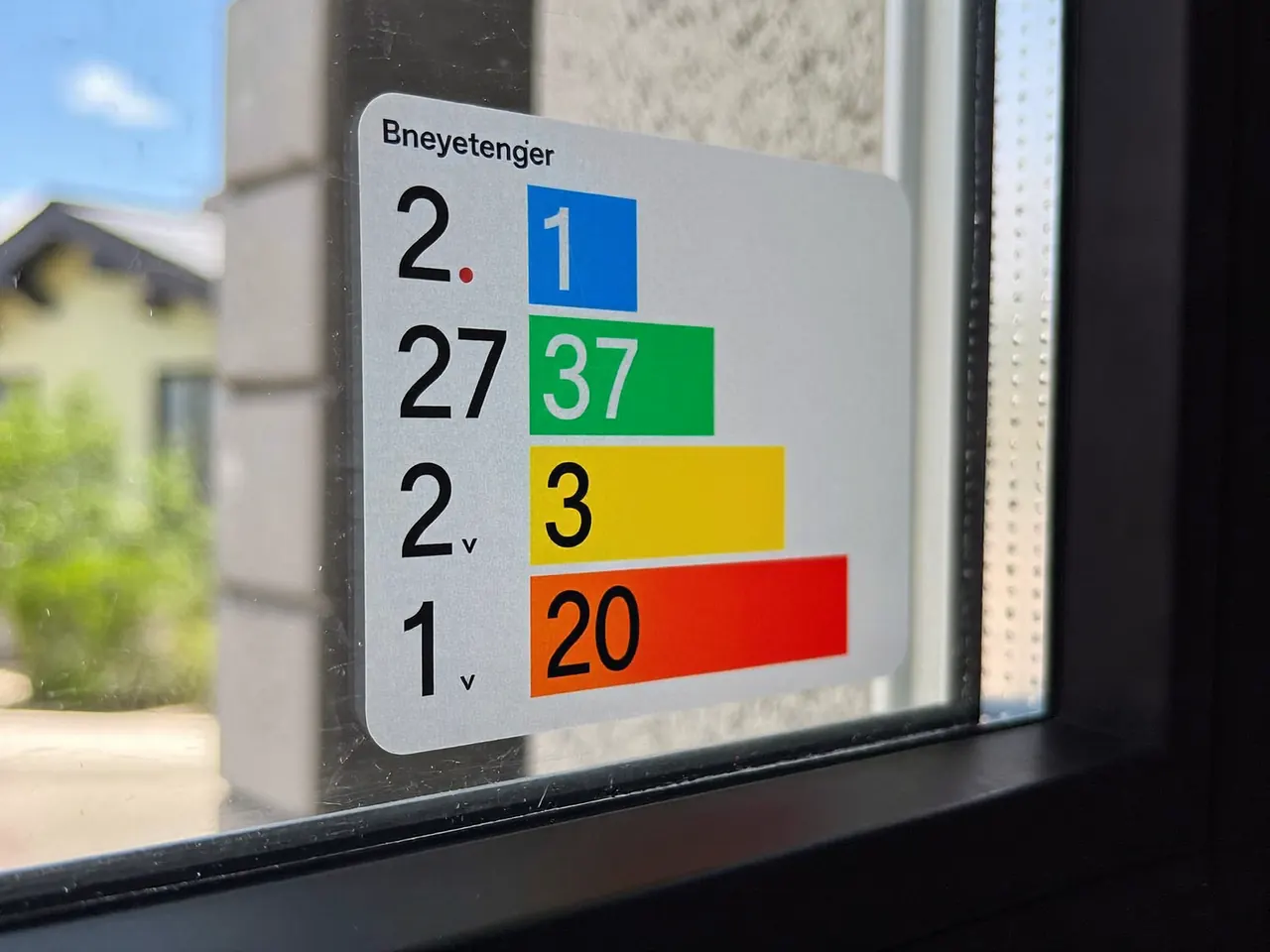
What the label actually measures
Three ingredients feed the grade. The U-value captures heat loss (lower is better). The solar factor captures the free warmth the window gains from sunlight. And the air-leakage figure captures how well the unit is sealed. Blending them means a window that gains a little useful solar heat can rate well even if its raw U-value is not the lowest — a fairer, real-world measure of performance.
Compare quotes for higher-rated windows
Get free, no-obligation quotes from vetted local installers who fit energy-rated units.
Estimate my bill savings →
Common questions
What is a window energy rating?
An A++ to E grade that summarises how energy-efficient a whole window is, combining heat loss, solar gain and air leakage into a single easy-to-compare letter.
What is the highest window energy rating?
A++ is the highest. A, A+ and A++ are all strong performers; most quality new double glazing is A-rated or better, while A++ is usually reached with premium coatings, better spacers or triple glazing.
Is a window energy rating the same as a U-value?
No. The U-value measures heat loss only (lower is better). The rating is broader — it factors in heat loss, useful solar gain and air leakage, then converts them into an A++ to E band.
Does a higher rating always save more money?
Usually a higher rating means lower heat loss and a bigger potential saving, but the actual amount depends on your home, how you heat it and energy prices. Savings are typical ranges from the Energy Saving Trust, confirmed on a home survey — not guaranteed figures.
Rating versus U-value: which should you look at?
Both have their place. If you care about a single, real-world summary of how a window performs, the A++ to E rating is the friendliest measure — it rolls heat loss, solar gain and air leakage into one letter. If you are comparing on a technical level, or your project has a specific U-value target to meet, the U-value gives you the precise heat-loss number. In practice, choosing an A-rated or better window generally means a strong U-value comes along with it, so most homeowners can shop confidently on the letter alone and ask for the U-value only if they want the detail.
Where you will see the label
You will find the rating on manufacturer product pages, in showroom displays and on the quotation an installer gives you. Because building regulations set a minimum efficiency standard for replacement windows in England and Wales, any reputable fitter will already be supplying units that clear that bar — the rating simply shows you how far above it a product sits. When you compare quotes, make sure each one lists the whole-window rating so you are weighing like against like rather than glass-only figures.
Related guides
Ready to compare quotes?
Two quick questions, then matched local installers send free quotes. No obligation.
Estimate my bill savings →