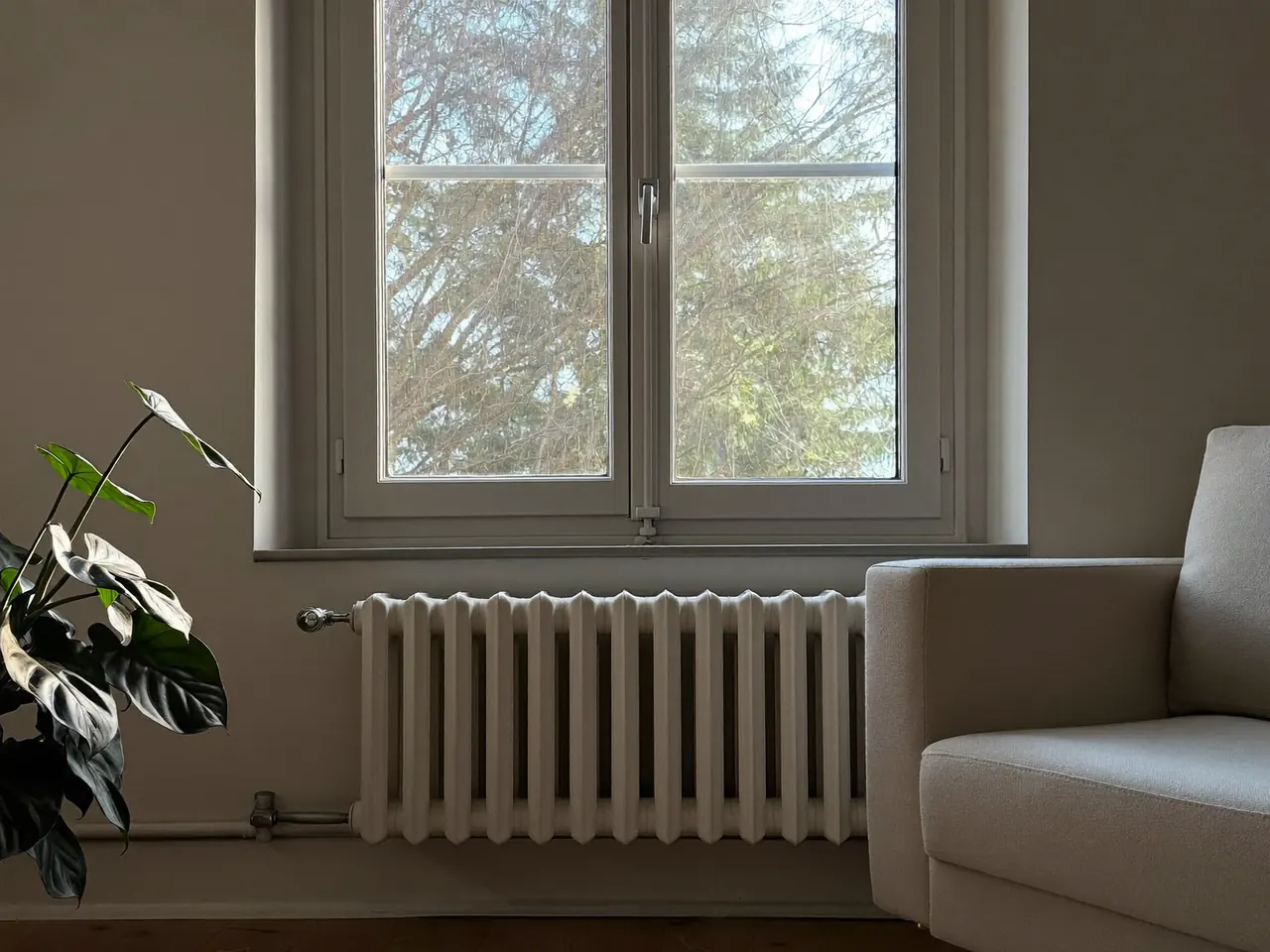
A-rated windows explained
An A-rated window is one that reaches the top band of the Window Energy Rating (WER) scale — the coloured A-to-E label you may recognise from fridges and boilers. For windows, A is the everyday high-performance standard, with A+ and A++ sitting above it for the very best products. Choosing an A-rated unit is a simple shorthand for “this window holds heat well”, without needing to memorise the technical measurements behind it.
How the rating is worked out
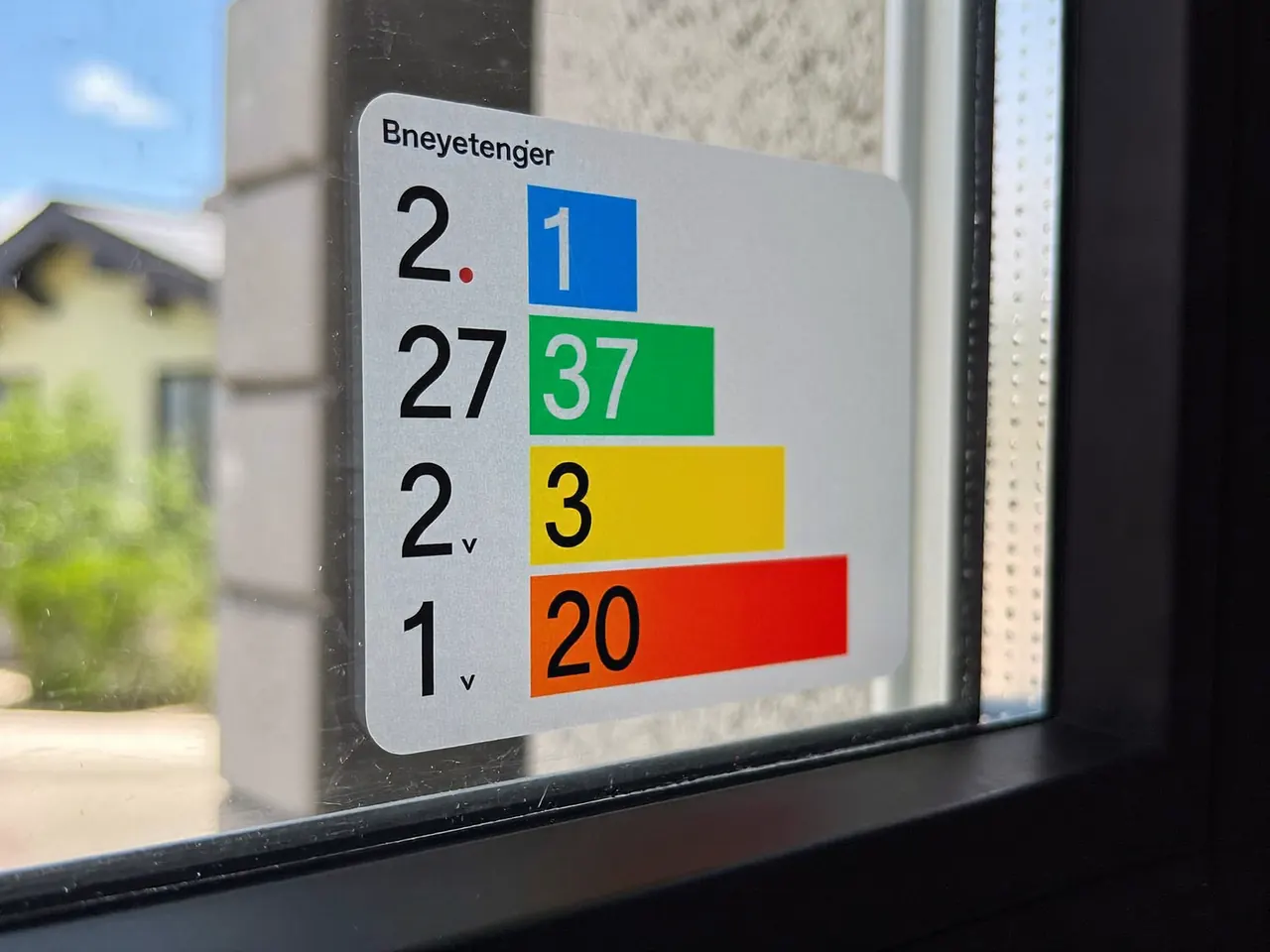
The rating balances three things: how much heat the window loses (its U-value), how much free warmth it gains from the sun (solar factor), and how airtight it is. A window can earn an A even while gaining some useful solar heat, which is why the rating is a fairer all-round measure than the U-value alone. The result is condensed into a single letter so you can compare products at a glance.
What an A rating means for you
- Lower running costs — less heat escapes, so your heating works less hard.
- Warmer glass — the inner pane stays closer to room temperature, cutting the cold-window chill.
- Less condensation — warmer glass means far less morning misting on frames and sills.
- Resale appeal — buyers increasingly look for efficient, low-maintenance glazing.
Compare quotes for A-rated windows
Get free, no-obligation quotes from vetted local installers who fit energy-rated units.
Estimate my bill savings →Is A++ worth the extra?
A++ windows squeeze out a little more performance, usually through a superior low-E coating, a better spacer or triple glazing. Whether the extra cost is worthwhile depends on your home: it makes most sense in colder or more exposed locations, or where noise is also a concern. For many homes, a solid A rating already captures the lion’s share of the benefit. Ask your installer to quote a couple of options so you can weigh the step up against the price difference.
Comfort that lasts all year
An A rating is not only a winter benefit. The solar-control glass used in many high-rated units tempers the amount of summer heat that pours through south- and west-facing windows, so rooms are less prone to overheating on bright days. Across the year, that steadier internal temperature means your heating and any cooling both work less hard, and rooms feel more even from morning to night.
It also helps to think about the rating at whole-house level. A single A-rated window in an otherwise draughty property will feel warmer, but the headline saving grows when the upgrade is done consistently across the elevations that lose the most heat — typically the largest and most exposed windows. If budget means phasing the work, prioritise those first and you will feel the difference sooner.
What to check on the label
When an installer shows you a rating, ask whether it applies to the specific window and frame combination you are buying, not just the glass in isolation. The whole-window rating is the honest one, because a superb pane in a poor frame will underperform. Reputable manufacturers publish these figures openly, and a good fitter will point them out on the quote without being pushed.
Related guides
Ready to compare quotes?
Two quick questions, then matched local installers send free quotes. No obligation.
Estimate my bill savings →