Energy-efficient glazing: your options compared
“Energy-efficient glazing” covers everything from standard double glazing to high-spec triple units, and the differences between them come down to a handful of components. Understanding those parts helps you read a quote, spot where the money goes, and decide how far up the performance ladder is worth climbing for your home.
The building blocks of an efficient unit
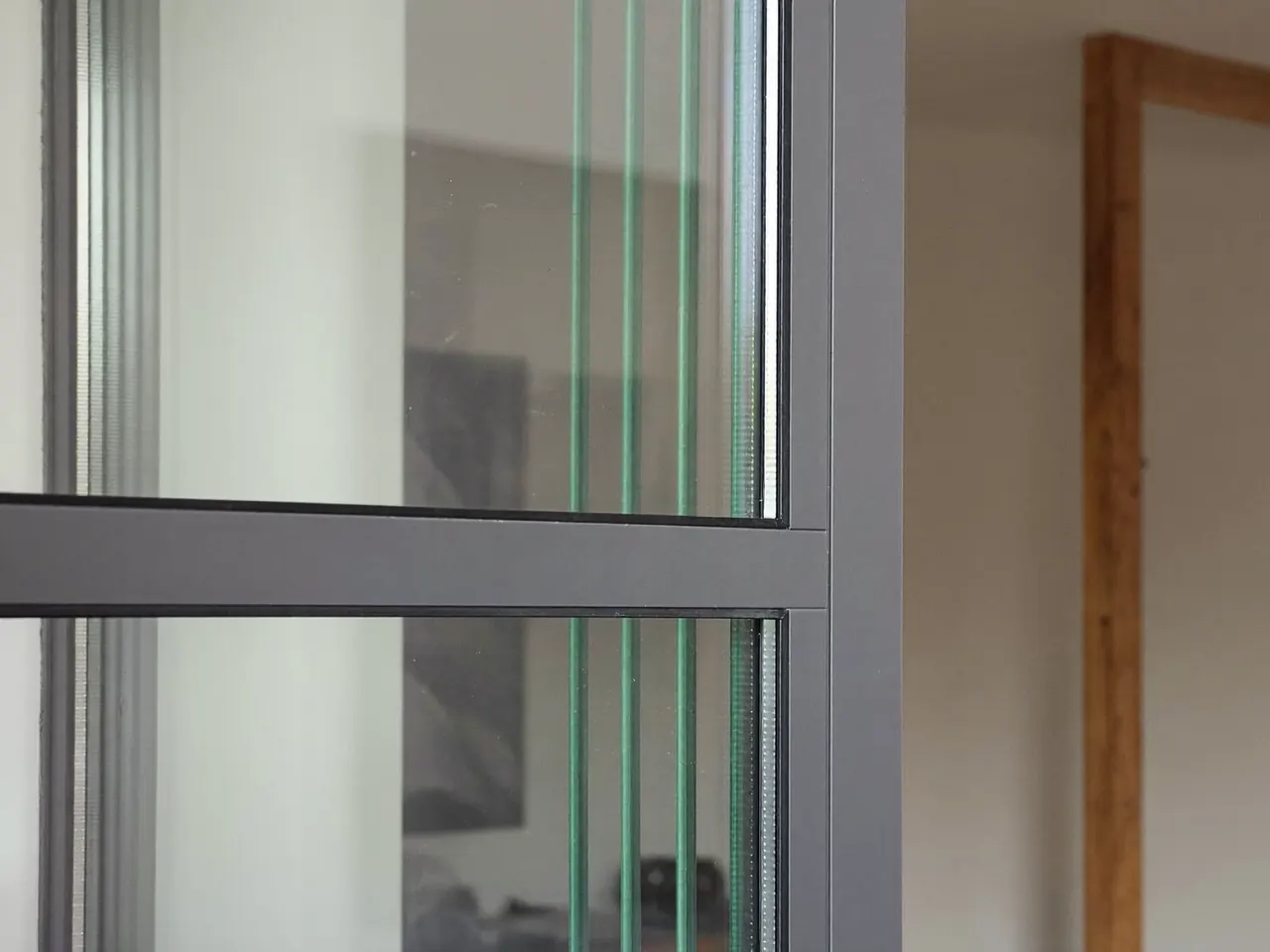
- Panes — two for double glazing, three for triple. More panes mean more insulating cavities, but also more weight and cost.
- Low-E coating — a near-invisible metal-oxide layer on the glass that reflects heat back indoors while letting daylight through.
- Gas fill — argon is the common choice, insulating better than plain air; krypton appears in slimmer or triple units.
- Warm-edge spacer — the low-conductivity strip around the cavity edge that reduces cold-bridging and condensation.
- Frame — uPVC, timber, aluminium or composite, each balancing thermal performance, looks, maintenance and price.
Double or triple glazing?
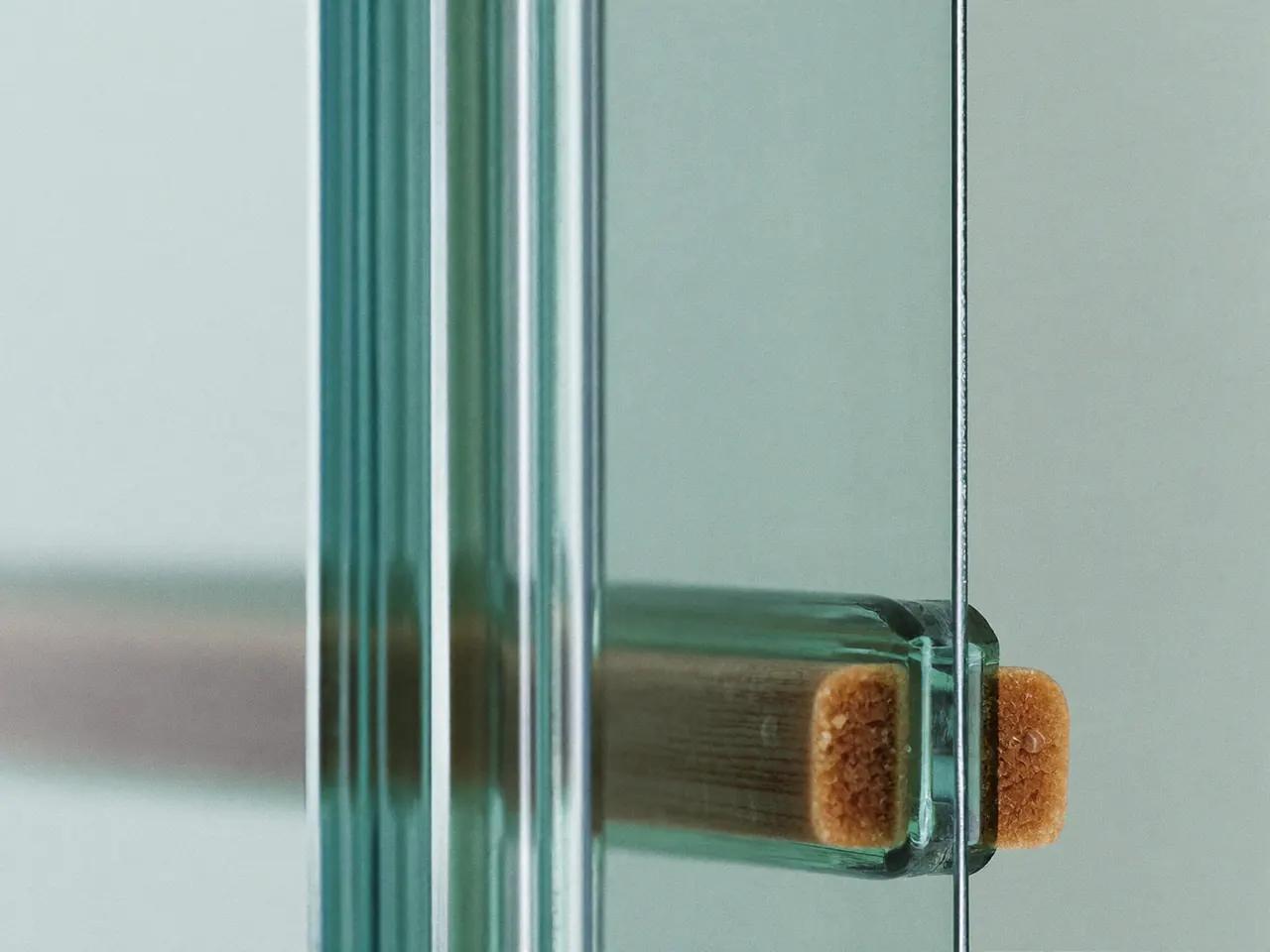
For most UK homes, well-specified A-rated double glazing captures the majority of the available benefit at a sensible price. Triple glazing pulls ahead in colder or more exposed locations, on north-facing elevations, and where noise reduction matters — but it costs more and weighs more, which can affect hinges and frames. The right answer is home-specific, so it is worth pricing both where you are unsure.
Compare efficient glazing quotes
Get free, no-obligation quotes from vetted local installers and compare specs side by side.
Estimate my bill savings →Match the glazing to the window style
Efficiency also interacts with the style of window. Casements, sashes, tilt-and-turns and bays each hold glazing a little differently, so it is worth exploring energy-rated casement window options if that is the style you have. Whatever the style, ask the installer to state the glass specification and the whole-window energy rating on the quote so you are comparing like with like.
How frame material changes the sums
The frame is easy to overlook, yet it can make or break a window’s efficiency and cost. uPVC is the popular all-rounder: well-insulated, low-maintenance and keenly priced. Timber offers warmth and heritage looks but needs periodic upkeep. Aluminium is slim and strong, ideal for large spans, and modern versions use a thermal break to curb heat loss. Composite frames pair materials to get the best of each. Because these sit at different price points, the frame you choose often shifts the overall figure more than the glass does.
Whatever the material, a well-specified frame should carry a low-conductivity core or thermal break, quality seals and multi-point locking. Ask to see the whole-window energy rating rather than a glass-only U-value, so the frame’s contribution is included in the number you compare.
Getting the specification right
When you request quotes, pin down the details that actually drive performance: the number of panes, the low-E coating, the gas fill and the spacer type. Two windows that look identical in a showroom can perform quite differently once these are accounted for. A trustworthy installer will state each of them on the paperwork and explain why a given spec suits your home, rather than steering you to a single option. That clarity is what lets you compare quotes on equal terms.
Related guides
Ready to compare quotes?
Two quick questions, then matched local installers send free quotes. No obligation.
Estimate my bill savings →