Secondary glazing for savings
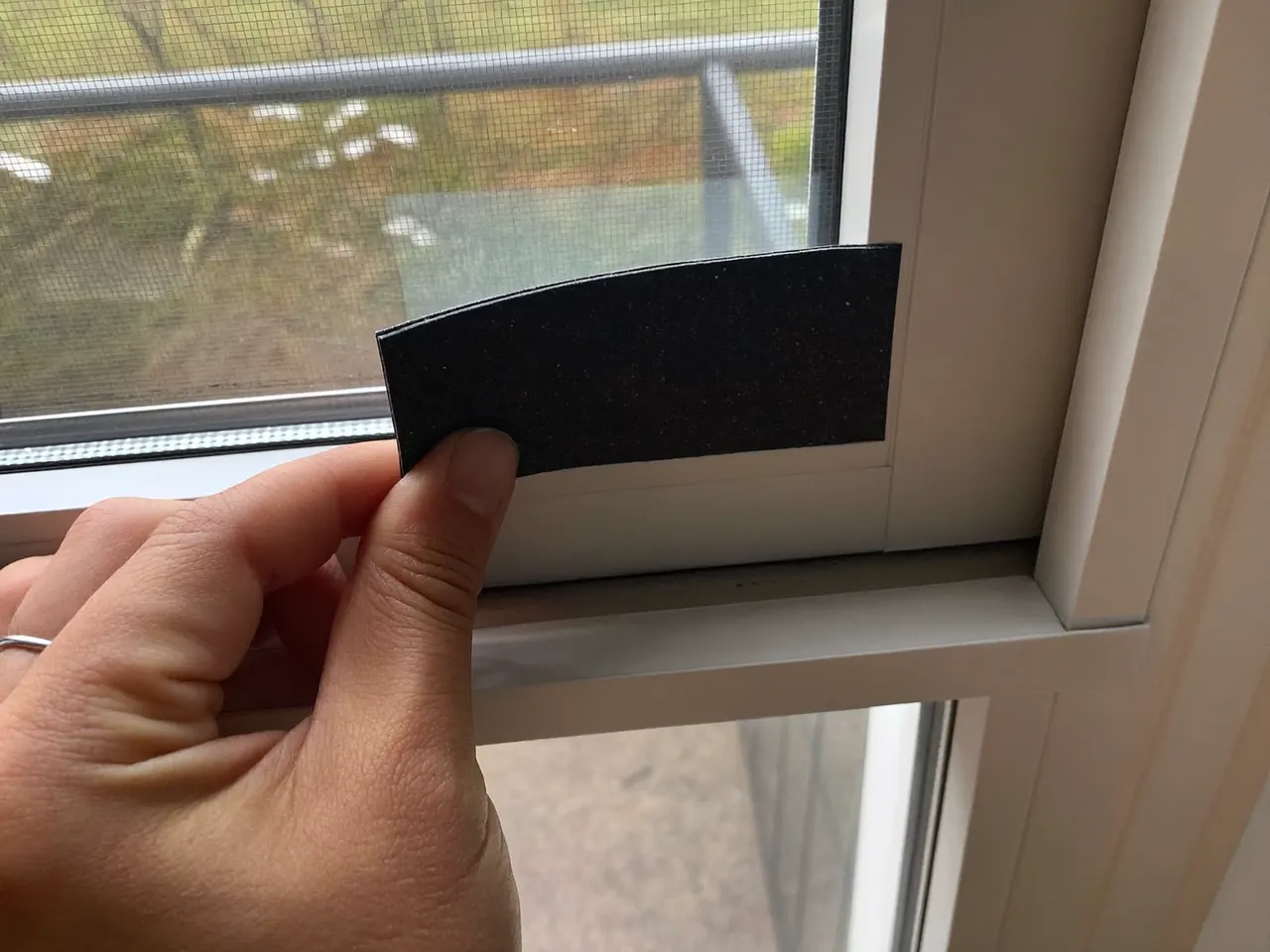
Secondary glazing is a discreet inner pane fitted on the room side of your existing window, leaving the original in place. It creates an insulating air gap that slows heat loss and dampens noise — usually for a good deal less than a full replacement. For period and listed homes, where the original windows must be kept, it is often the most practical way to warm things up without altering the look of the property.
Where secondary glazing shines
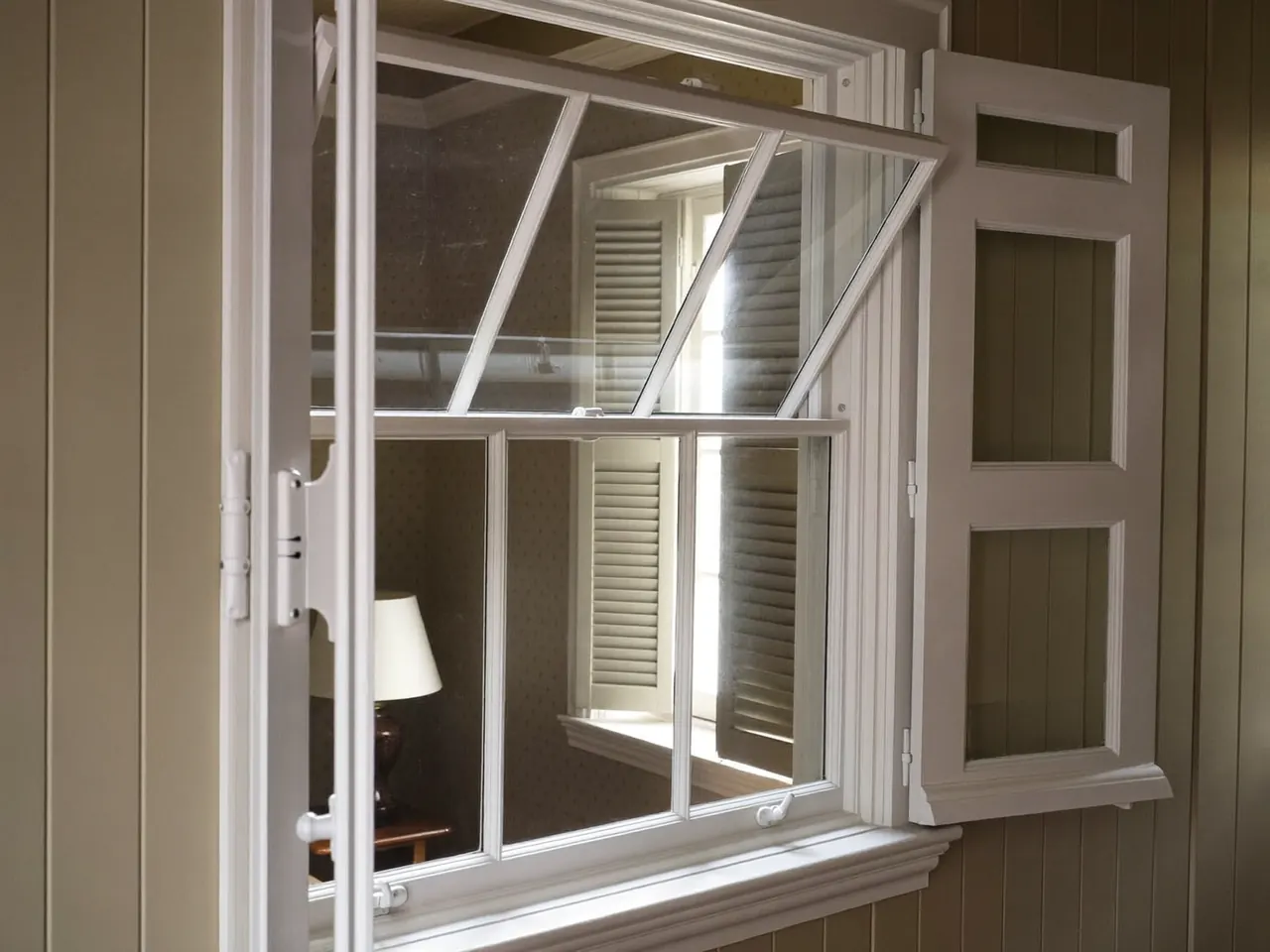
- Listed and conservation-area homes — keeps the original windows, so it rarely needs the consent a replacement would.
- Budget-conscious upgrades — typically cheaper than replacing every window at once.
- Noise-heavy locations — the wider air gap is especially good at reducing traffic and street noise.
- Renters and phased projects — some systems are removable or can be added room by room.
Compare your glazing options
Get free, no-obligation quotes from vetted local installers — secondary or replacement.
Estimate my bill savings →
Secondary glazing vs full replacement
The trade-off is straightforward. Replacement A-rated double glazing delivers the strongest thermal performance and the biggest potential saving, but costs more and, in protected homes, may not be permitted. Secondary glazing costs less, preserves the original character and still makes rooms noticeably warmer and quieter — just not to the same degree. If your windows are sound and attractive but cold, secondary glazing is a sensible middle path; if they are failing, replacement usually wins on long-term value.
How much can it save?
Because secondary glazing adds an insulating air gap in front of an existing single pane, it can cut the heat lost through that window substantially compared with leaving it bare. It will not usually match a modern A-rated replacement, which starts from a much more efficient base, but the improvement in a cold, single-glazed room is often dramatic in comfort terms. As with every measure on this site, we show any figure as a typical range from the Energy Saving Trust and confirm your own number on a survey rather than promising a fixed amount.
The wider air gap also makes secondary glazing one of the better options for noise. Homes on busy roads, flight paths or near railway lines frequently choose it as much for the peace and quiet as for the warmth, and the two benefits arrive together for a single outlay.
Types and how they fit
Secondary glazing comes in several styles to suit different windows and budgets. Fixed panels are the simplest and cheapest, ideal for windows you rarely open. Hinged or magnetic panels can be swung aside or lifted out for cleaning and ventilation. Sliding and lift-out systems suit larger openings and sash windows, keeping the original operation usable. A good installer will match the system to how you actually use each window, and to any conservation constraints, so the result looks tidy and works day to day.
Fitting is generally quicker and less disruptive than a full replacement, since the existing window stays put and there is no making-good to the surrounding wall. That lower disruption, alongside the lower price, is a big part of why period-home owners keep coming back to it.
Related guides
Ready to compare quotes?
Two quick questions, then matched local installers send free quotes. No obligation.
Estimate my bill savings →