How to reduce heat loss through windows
Windows are one of the easiest weak spots to tackle in an older home. According to Energy Saving Trust guidance, windows and doors account for a meaningful share of the heat that leaks from an uninsulated house — and unlike the walls or roof, the glazing is a self-contained part you can upgrade on its own. This guide runs through the options in rough order of impact, so you can match the fix to your budget.

Heat leaves a window two ways
First, warmth conducts straight through the glass and frame — the thinner and less insulated they are, the faster it goes. Second, air leaks around worn seals, loose sashes and gaps in the surround, carrying heat out and draughts in. A complete approach addresses both: better glazing for the conduction, and sealing for the air leakage.
The options, biggest impact first
- Replace single glazing with A-rated double glazing — the single largest step, tackling conduction and air leakage together.
- Upgrade tired double glazing — blown units (misted between the panes) and failed seals waste heat and are worth replacing.
- Add secondary glazing — a slim inner pane, ideal for period or listed homes where replacement is not possible.
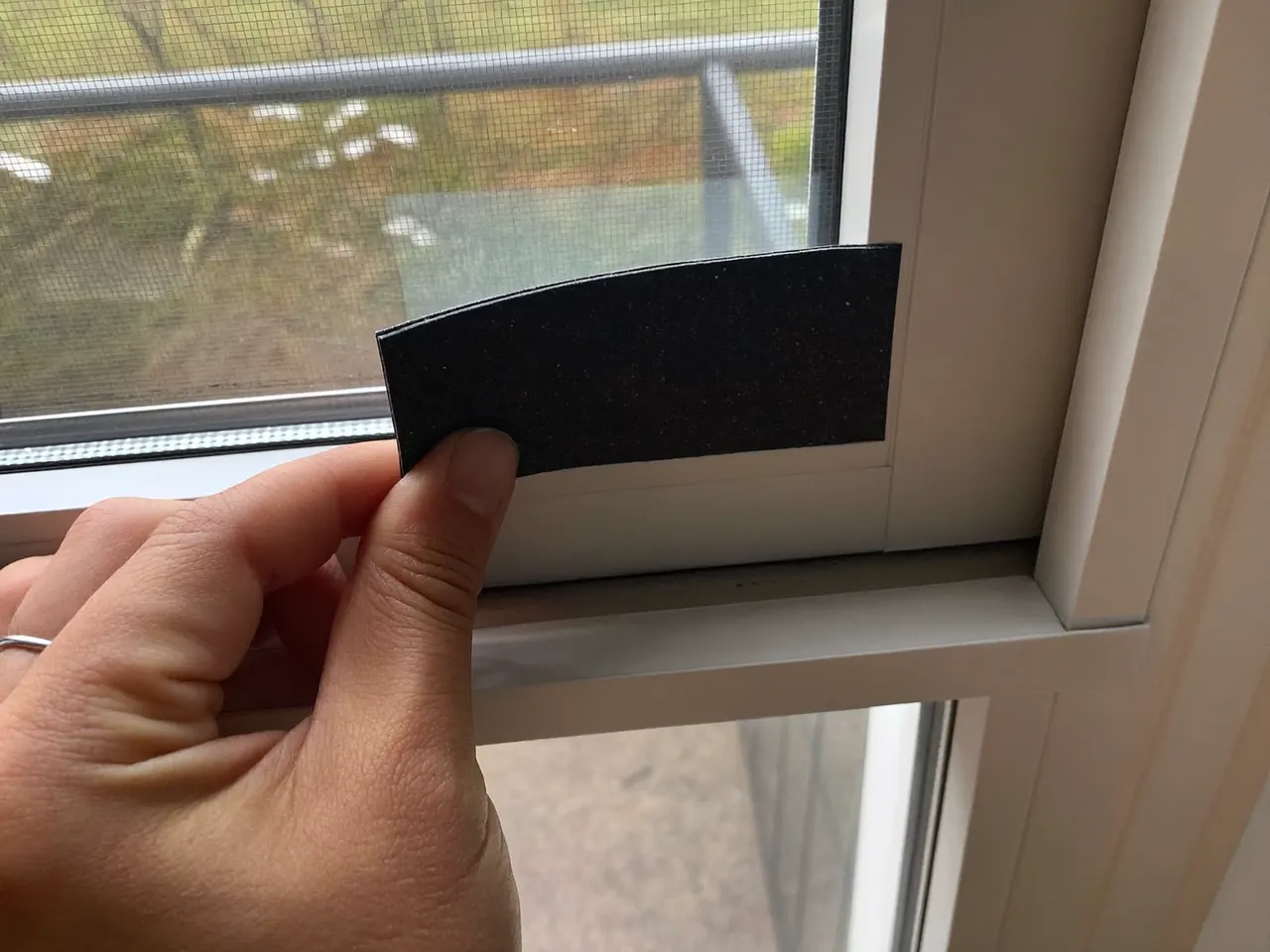
- Draught-proof — brushes, seals and sealant around frames stop the sneaky air leaks for very little outlay.
- Use heavy, well-fitted curtains or thermal blinds — a low-cost habit that traps a layer of still air at night.
See what new glazing could save
Compare free, no-obligation quotes from vetted local installers for A-rated windows.
Estimate my bill savings →Layering fixes for the best result
The real gains come from combining measures. New A-rated units cut conduction; draught-proofing closes the remaining gaps; and simple habits like closing curtains at dusk hold onto the warmth you have kept. Because these tackle different routes for heat to escape, their benefits stack rather than overlap. Start with whatever gives the biggest return for your budget, then add the cheaper wins around it.
Prioritising by room
Not every window deserves the same attention. Start with the rooms you heat most and occupy longest — living rooms and main bedrooms — and with the largest panes of glass, since a big single-glazed picture window loses far more than a small landing window. North-facing elevations rarely gain useful sunlight, so they tend to be net losers of heat and are worth tackling early. Working through the house in this order means your money goes where it makes the clearest difference to comfort and bills.
It also helps to look beyond the glass at the surrounding fabric. A window sitting in an uninsulated reveal, or with a gap behind the plaster, will feel cold no matter how good the unit is. Sealing those junctions and, where practical, insulating the reveal stops warmth sneaking around the edges of an otherwise efficient window.
When replacement is the right call
If your windows are single-glazed, or the double glazing has misted between the panes, sealing and curtains will only take you so far. Blown units cannot be revived and worn frames leak whatever you do, so replacement with A-rated glazing is usually the sensible long-term move — it addresses conduction and air leakage in one job and comes with a fresh guarantee. Pair it with draught-proofing on any windows you keep, and the whole home holds its heat far better.
Related guides
Ready to compare quotes?
Two quick questions, then matched local installers send free quotes. No obligation.
Estimate my bill savings →